

Family caregivers provide essential support to people with care needs, and new research finds their contribution exceeds $1 trillion in value. Yet caregivers often face health, financial, and workplace challenges. To address these challenges, many states are using the National Strategy to Support Family Caregivers. The National Strategy is a roadmap for federal, state, Tribal, local, and other relevant groups to work toward five shared goals to support family caregivers:
- Improved awareness of and outreach to family caregivers
- Involvement of family caregivers in the care team
- Services and supports for family caregivers
- Financial and employment protections
- Data, research, and best practices
Four states that received the first round of technical implementation grants from the Administration for Community Living (ACL) in 2024 — California, Maryland, Massachusetts, and Wisconsin — recently shared their progress and how they are putting the National Strategy into action during a NASHP webinar.
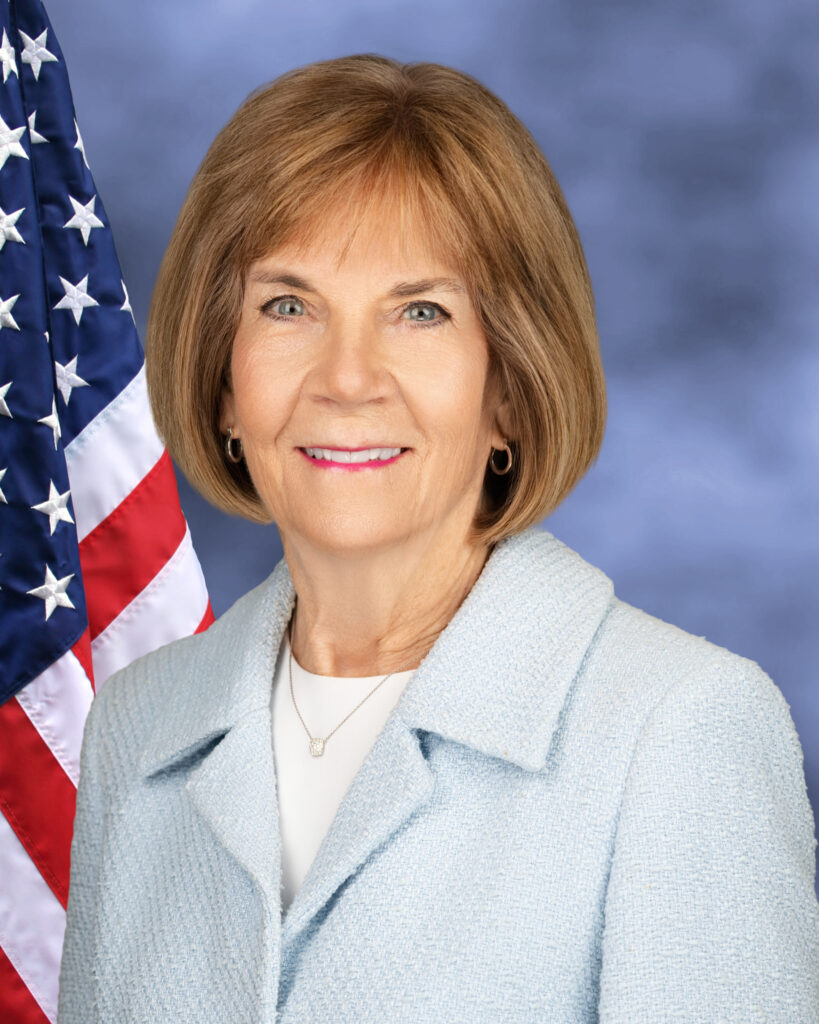 “Millions and millions of caregivers benefit from the work of the states, and millions of older adults and people with disabilities benefit from a better-equipped caregiver.” — Mary Lazare, Principal Deputy Administrator, ACL
Photo via ACL
 “Together, we are blanketing the nation with improved state caregiver policies.” — Rani Snyder, President, The John A. Hartford Foundation
Photo via JAHF
Caregiver Awareness and Outreach
Caregivers often do not self-identify or know where to turn for help. Efforts across these states demonstrated a commitment to expanding caregiver awareness and outreach to ensure caregivers from various backgrounds can access resources and support.
- California worked with public and private partners to create and implement CalCARES, the California Caregiver Awareness, Resources, Education & Support Program. CalCARES works with trusted community partners and uses accessible media to reach underserved communities, with a strong commitment to using culturally appropriate language in briefings and materials and continuously refining the campaign. To date, California has hosted community outreach webinars, released the first round of campaign materials and toolkits, and held a briefing, with plans to make free caregivers trainings more accessible.
- Wisconsin re-launched Trualta, an online platform featuring informational content for caregivers that may reduce unexpected hospital visits and delay nursing home placements. Because the program is virtual and free for Wisconsin caregivers, Trualta could be particularly helpful in reaching rural caregivers, one of the target populations for the Wisconsin Family and Caregiver Support Alliance (WFACSA), in addition to youth caregivers, veterans, and African-American caregivers. WFACSA has partnered with experts within these populations, and the University of Alberta, Canada, to adapt a Caregiver Centered Care Training for professionals looking to support working caregivers. Other workplace initiatives include a webpage for working caregivers hosted on WFACSA, an expanded state HR Care Kit for workplaces, and a state Exemplary Employer Award to reward employers supporting caregivers.
NASHP’s Caregivers Communications and Marketing Toolkit
This toolkit offers free, customizable, and ready-to-use materials designed for state agencies and organizations that support family caregivers. The goal of the toolkit is to empower caregivers to recognize themselves in this role, recognize that support is available, and begin accessing the support they need.
Resources include media templates, sample messaging, social media content, and pre-designed materials that help raise awareness, connect caregivers to services, and strengthen public understanding of the caregiving role.
Caregiver Services and Supports
States are strengthening partnerships between agencies and networks to improve caregiver access to services and supports.
- Massachusetts’s Executive Office of Health and Human Services (EOHHS) is working across its agencies to increase enrollment in the Massachusetts Family Caregiver Support Program (MFCSP), offering services such as resource referrals, workshops and trainings, respite care, and counseling. Massachusetts also has an Employer Toolkit to Support Working Caregivers to strengthen relationships between caregivers and businesses, ultimately providing more economic security for caregivers.
- Maryland is prioritizing its commitment to strengthening support for family caregivers through its multi-sector plan on aging called Longevity Ready Maryland. In January 2026, Maryland’s Department of Aging, for example, launched the Respite Care Ambassador Program, in which respite ambassadors are educated on respite services using national and state resources to then bring back to a local level. Program members are developing a Respite Care Ambassador Toolkit with guides, information, and caregiver supports to be distributed throughout the state. Future goals include collaboration across agencies to improve work opportunities for family caregivers and improving Maryland’s Maryland Access Point (MAP), the state’s “no wrong door” system, to enable more points of entry for caregivers seeking information or resources.
Evidence-Based Resources and Data
These states are also pursuing activities to make evidence-based resources available for caregivers and to expand caregiver data collection to better understand the needs and gaps.
- Maryland recently published the Johns Hopkins Memory Care Family Checklist, a free evidence-based screen for dementia caregivers to identify their caregiving needs. The checklist is designed to assess the caregiver’s needs in multiple domains, including future planning; health and home safety; managing cognitive changes; and education and awareness. The screen generates a personalized list of recommendations for next steps and localized resources. Caregivers are also directed to MAP for more information and resources. Maryland plans to host caregiver focus groups and hired an analyst intern to analyze the data to better understand caregiver needs.
- Massachusetts made translated studies of caregiver interventions more widely available through its Family Caregiver Innovation Grant Program. The state awarded grants between $50,000 to $150,000 to five community organizations working with the Family Caregiver Support Program in the state to implement or scale programs to support caregiver training and support. Massachusetts surveyed state agencies about the types of services the caregivers they served needed the most and the supports currently provided. The state also plans to analyze data collected in 2025 from the Behavioral Risk Factor Surveillance System (BRFSS) Caregiver Module, as well as data collected from the Family Caregiver Innovation Grant programs.
These implementation grants support initiatives that help older adults, people with disabilities, and their caregivers connect with supports and resources, with a focus on populations with the greatest economic and social needs. California, Maryland, Massachusetts, and Wisconsin are actively demonstrating how states can use the grants to implement the National Strategy to Support Family Caregivers, setting a strong example for other states to follow. As this first cohort continues to make progress, ACL recently announced its second cohort of grantees, which includes Alabama, Minnesota, Montana, Pennsylvania, and South Carolina.
National Strategy to Support Family Caregivers: Update in Progress!
The National Strategy was created by two federal advisory groups, the RAISE* Family Caregiving Advisory Council and the Supporting Grandparents Raising Grandchildren Advisory Council, in collaboration with the ACL at the U.S. Department of Health and Human Services (HHS).
These Councils bring together family caregivers and government officials to identify challenges facing caregivers and recommended actions from federal, state, and local governments, as well as the private sector, to strengthen support for caregivers across the lifespan.
The Councils are currently updating the National Strategy, because it was always meant to be a living and updated roadmap that reflects momentum and changes over time. Visit acl.gov/CaregiverStrategy for an overview of the National Strategy and action recommendations at federal, state, and community levels.
*RAISE: Recognize, Assist, Include, Support, & Engage
Watch the webinar recording, view the slides, and learn more.
Acknowledgments
This blog was written with support from and in collaboration with The John A. Hartford Foundation. NASHP thanks Mary Lazare, Bernice Hutchinson, Nikaela Frederick, Rani E. Snyder, Molly Wisniewski, Molly Evans, Lynn Gall, and Theresa Weaver, who spoke on the webinar and provided the content for this article.