
Mounting evidence points to a bidirectional relationship between oral health, substance use, and mental health. Untreated oral health conditions contribute to worsening behavioral health outcomes, while substance use and mental health conditions often exacerbate poor oral health. Substance use often affects saliva flow, which is protective against tooth decay. Individuals with substance use disorders (SUD) may have poor nutrition and oral hygiene, grind their teeth, and face barriers to accessing a dental provider.
Receiving comprehensive oral health care during SUD treatment has shown to improve patient quality of life and lead to higher rates of treatment completion and abstinence. Conversely, unmanaged pain and untreated oral health conditions can exacerbate mental health and substance use conditions, affect self-esteem and social functioning, pose barriers to employability, and lead to other factors that hinder substance use recovery.
Despite the strong relationship between oral health, behavioral health, and substance use, their related systems remain siloed. Barriers to dental care for individuals who use substances may include limited adult Medicaid dental benefits, financial or transportation barriers, previous traumatic dental experiences, or fear of encountering stigma in clinical settings.
To address some of these challenges, states can collaborate across agencies and with trusted community partners to improve coordination and integration of oral health and substance use interventions. By integrating screening, linkages to care, and navigation support within different clinical and community settings, states can improve patient outcomes and reduce the costly impacts of untreated oral health conditions for people with SUD.
Opportunities for Integrating Oral Health and SUD Treatment Systems
Recognizing the interconnectivity between oral health, SUD, and recovery, states can look to a variety of strategies to improve access to oral health services for individuals with SUD and other behavioral health conditions through care integration. The National Council for Mental Wellbeing’s Oral Health, Mental Health, and Substance Use Treatment Toolkit outlines models for integrating oral health and behavioral health services across the continuum of integration (See Figure 1 below). There is a broad range of opportunities for care integration, ranging from provider education to comprehensive full system integration. For example, providers who have established touchpoints with SUD patients (e.g., harm reduction providers and community health workers) have an opportunity to build screening and referrals for oral health care into their regular service offerings, while federally qualified health centers and other integrated health systems may support co-location and sharing of information among oral health and substance use treatment providers.
Figure 1: Continuum of Integration (National Council for Mental Wellbeing)

University of Utah Health’s Project FLOSS (Facilitating a Lifetime of Oral Health Sustainability for SUD patients) and UMass Memorial Health’s Road to Care program respectively offer system- and community-level models to integrate SUD and oral health care. Both models integrate elements of education, screening, and cross-system service provision that states can refer to when considering opportunities to integrate oral health linkage to care through community and specialty care settings.
The Impact of Comprehensive Oral Health Services on SUD Treatment Outcomes
Improved integration of oral health and SUD treatment systems have the potential to increase access to preventive services, prevent recidivism, improve patient outcomes, and reduce health system costs. Untreated oral health and substance use conditions continue to be major drivers of avoidable hospital visits, and Medicaid is the largest payer of behavioral health treatment services in the U.S., with 7.3 percent of Medicaid enrollees in 2019 having at least one clinically identified SUD in Medicaid claims data. As such, meaningful improvement in outcomes for people with SUD can have a significant impact on both state Medicaid costs and overall health, as well as serve as a model for other large health care programs such as Medicare.
Strategy in Action: Utah’s Project FLOSS
Under the leadership of the University of Utah’s School of Dentistry, Project FLOSS — a research study funded by the U.S. Health Resources and Services Administration — studied the impact of integrating comprehensive dental care into SUD treatment services for Medicaid enrollees. Patients receiving SUD treatment who received comprehensive oral health care through the study were found to be more likely to complete treatment, be discharged for completing treatment, and remain abstinent. Patients also experienced improved rates of homelessness and employment.
With strong data to support the positive impact of comprehensive dental services on SUD treatments and recovery, Utah received approval in 2017 from the Centers for Medicare and Medicaid Services for an 1115 waiver with a Target Adult Dental Medicaid benefit for those with SUD. Beneficiaries who are enrolled in a SUD treatment program are eligible to receive 12 months of Medicaid coverage of dental services. Through this benefit, Utah aims to increase member access to dental services by approximately one-third, increase preventive dental services to reduce emergency dental procedures, and increase engagement in SUD treatment. The state is continuing its partnership with the School of Dentistry to provide oral health care to SUD patients in recovery and will look at outcomes from the current demonstration to determine if the state should consider covering dental services for the broader adult Medicaid population.
Making Community Connections: Engaging Trusted Partners and Providers in Oral Health Care
People with SUD face significant barriers in accessing oral health care, including cost barriers, fear of encountering stigma from providers, and other challenges such as a lack of access to transportation or technology. Engagement with trusted partners, such as community health workers (CHWs), harm reduction providers, and peer support specialists, can help build meaningful relationships and provide navigational support for populations that have experienced stigma in previous encounters with clinical health systems. These providers are well-positioned to include linkages to oral health care and resources in their service offerings, as their role already largely entails connecting individuals to care.
Strategy in Action: Massachusetts’ Road to Care Program
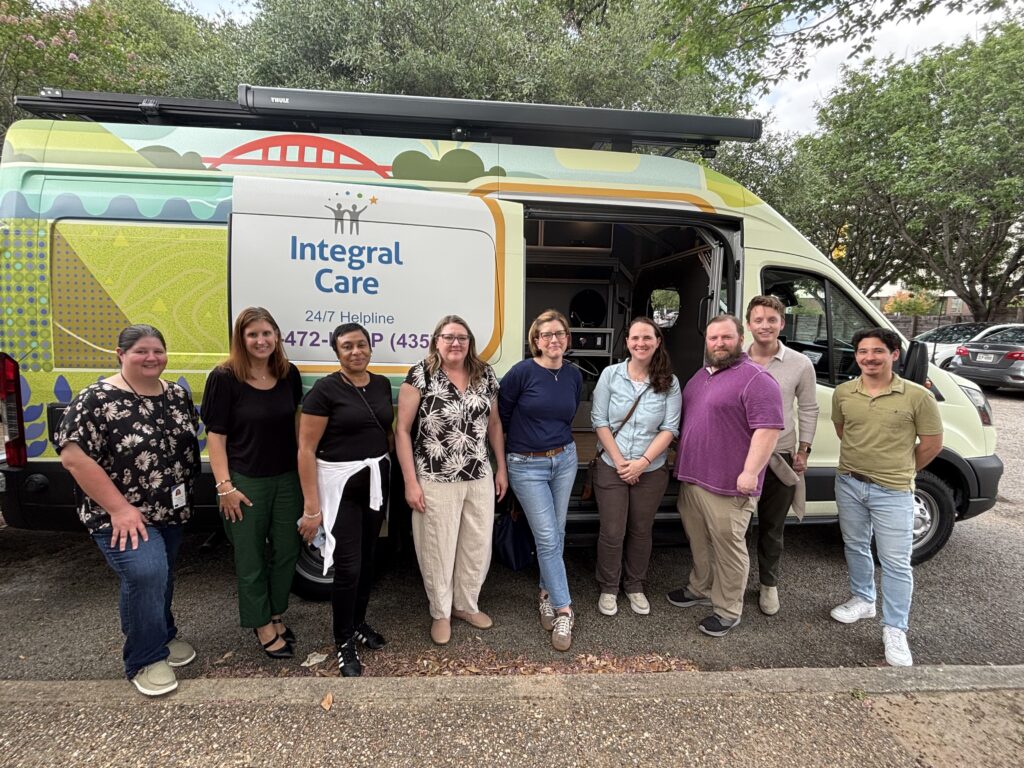
The Road to Care program integrates oral health and SUD care from a community, place-based approach in Worcester. This small-scale pilot program is funded by RIZE Massachusetts and integrates both oral health and physical health screenings and services into its mobile unit that provides harm reduction and addiction services.
To support connections to oral health care, the clinic embedded a CHW within the mobile unit. Patients are offered a dental hygiene toolkit and a referral to a dentist for additional follow-up. The CHW flags immediate dental issues, such as pain and infection, to the care team and conducts follow-up. To ameliorate barriers such as stigma and hesitancy of Medicaid providers to treat patients who use drugs, the clinic relies on its knowledge and connections in the community to connect patients with local dental providers receptive to treating Medicaid patients with complex needs. Although a small, community-based pilot program, Road to Care illustrates opportunities for care integration for high-need populations within communities that face barriers to dental care.
Additional State Strategies for Integration
Beyond the systems and community-based care integration programs in Utah and Massachusetts, there are a variety of other strategies states are pursuing to address the link between oral health and SUD:
- Oral health pain, and prescriptions given for oral health procedures, can contribute to increased use of opioids or other substances. The Wisconsin Dental Pain Protocol addresses both of these potential causes of increased substance use, providing trainings to emergency department clinicians on how to treat non-traumatic dental pain without opioid prescriptions. The pilot program, funded by the Centers for Disease Control and Prevention, also provides care coordination to connect patients with dental care.
- Opioid settlement funds — which states are receiving over the next several years to help abate the opioid crisis — provide a unique opportunity for investments in substance use care and access to treatment. Citing evidence from Project FLOSS, Rhode Island has designated state opioid settlement funds to address the oral health effects of SUD. States may consider using settlement funding to invest in evidence-based strategies to address oral health issues and SUD.
- State Opioid Response (SOR) grant funding from the U.S. Substance Abuse and Mental Health Services Administration explicitly allows for oral health-related activities, such as the purchase of dental kits to promote oral health for individuals with opioid use disorder who are enrolled in treatment. Additionally, SOR funding can be used to support implementation of screening, brief intervention, and referral to treatment in dental provider settings — Delaware has used SOR funding for this purpose.
- Screenings for substance use disorder can occur in a variety of health care or community settings, depending on where an individual may have touchpoints to resources. In Nevada, the Nevada Department of Health and Human Services has started a pilot program with pediatric dentists to screen youth for potential future substance use risk. Increased mental health challenges in youth populations, as well as opioid overdose rates, underscores the need for prevention efforts that reduce risk of substance use, and oral health providers have the opportunity to serve as a touchpoint for screening.
Future Opportunities
With states increasingly looking to integrate behavioral health and physical health services, integration of oral health services is an essential part of whole-person care. Integrating oral health and SUD treatment at both community- and health-level systems creates opportunities to reduce barriers to care and improve oral health, recovery outcomes, and quality of life for patients.
Collaboration among trusted community partners, state agencies, and providers remains key for successful development and integration of these services — particularly for patients with complex behavioral health needs. While workforce challenges and siloed systems will continue to pose challenges for integration, states can take initial steps to expand collaboration across systems through training and awareness of the connections between oral health and SUD across disciplines. States can do this by implementing anti-stigma training programs for oral health providers and supporting programs that integrate screening and access to services.
While Medicaid can fund services for populations in need of oral health and SUD treatment, states may use a variety of other funding streams, including State Opioid Response (SOR) grants or Substance Use Prevention, Treatment, and Recovery Services (SUPTRS) Block Grants, opioid settlement funds, or other state funding streams to improve coordination and care for individuals with SUD.
For more information about NASHP’s work in state behavioral health and SUD policy, visit the following resources:
Acknowledgments
The National Academy for State Health Policy (NASHP), with support from the CareQuest Institute for Oral Health, regularly convenes state officials to discuss strategies to address health disparities and implement best practices in oral health policies through minimally invasive care. NASHP staff would like to thank state officials and subject matter experts from Massachusetts, Utah, Rhode Island, Wisconsin, Nevada, University of Utah School of Medicine, and the National Council for Mental Wellbeing, for presenting at a recent workgroup convening and for their input on this blog post. Please reach out to Megan D’Alessandro (mdalessandro@nashp.org) with any questions or inquiries about joining the State Oral Health Policy Workgroup.
NASHP’s work to support state leaders in addressing the opioid and substance use crisis is supported by the Foundation for Opioid Response Efforts (FORE). See NASHP’s Opioid Policy Center for more information and resources.