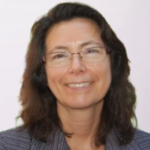
This week, NASHP Senior Policy Fellow Neva Kaye retired after an impressive 30 years of helping states advance healthy policy. We asked Neva about the lessons she’s learned and her advice for others, as states continue to work toward improving the health of state residents amidst budget shortfalls and changes in federal health policy.
Neva, thanks for making time for us before you head off into retirement. Thirty years is a long time working on state health policy. What’s something you’re particularly proud of?

I’m most proud of NASHP’s work on the Assuring Better Child Health and Development (ABCD) program. From 2000-2012, the program focused on early child development services for children covered by state health care programs, especially Medicaid. NASHP helped 27 states create models of service delivery and financing through a laboratory for program development and innovation.
This project has had a huge impact — particularly how it fostered developmental screening for kids under three years old. Today, it’s an accepted practice to screen children for potential development issues, but when ABCD started, that was not the case.
I think about all those kids getting developmental screening during those first 3 years. If you can make a difference then, you can really change their trajectory.
The ABCD project also led to other practices, such as when Illinois began screening for maternal depression for mothers with kids on Medicaid. This practice has since spread to other states.
What other state innovations stand out to you?
Our work to create state Patient-Centered Medical Home (PCMH) programs, which define a medical home as not simply a place but also a way to deliver core primary health care functions. Between 2008 and 2016, NASHP provided in-depth technical assistance to 27 states seeking to implement or improve PCMH programs.
We helped states decide how to define a PCMH, identify practices that met their criteria, support practices in becoming a PCMH, and determine ways to pay PCMH. This was transformational, and states like Oregon and Minnesota were true pioneers. Idaho also really took this idea and ran with it. While they are a small state, they created a network around PCMH that was truly innovative and continues to this day. Many of these states are still building on that work.
What kept you at NASHP for so many years?
I love working with states and their staff. When I came to NASHP, I was just beginning my career, and I grew along with the organization. NASHP gave me an opportunity to work on so many different areas, which fed my curiosity. I’m an industrial engineer, so I like to look at how things work and examine that.
NASHP’s approach works. We listen to states about what they want to work on, we help states develop and test innovations, and then we spread those promising practices. Typically, we start out working with smaller groups of state officials, draw lessons from them, and push those learnings out to other states.
Having states talk to each other is key to getting things done. We surface the lessons learned and facilitate the spread of innovation, but the work is really done by the states.
What advice do you have for people working on state health policy today?
There are challenging times ahead – but we will weather them, and progress will be made.
I’ve worked on several long-running NASHP projects that produced lasting impacts, and these continued through budget-cutting times and changes in administrations at both the federal and state levels. States have always continued to make progress, because state officials are so dedicated. They kept pushing the ball forward.
And relatively small changes can make a big difference — the developmental screening is one example. Those screenings are inexpensive, but they have a huge impact
Thank you, Neva, we hope you enjoy your retirement! The state policy innovations that you helped to spark will continue as NASHP works to improve the health and well-being of all people across every state.