Strategy 5: Empower communities to define their own needs and measures of success
While robust requirements for detailed spending plans and reporting can help protect against misuse of public funds, they can also have a heavy administrative burden and restrict the ability of CBOs to flexibly respond to evolving challenges and needs. Connecting with CBOs and communities as programs are being developed can help state administrators develop grant program goals to balance good stewardship and better alignmentwith community needs and associated measures of success. To the extent allowable under state and federal requirements, state administrators may also have flexibility in advancing grants that support communities to define their own goals, objectives, and outcome measures.
Policy levers include:
Gather community input as grants are developed:
Identifying specific community needs, through conversations or surveys with community members, can help state officials tailor grant opportunities. Community feedback can be incorporated throughout all steps of the grantmaking process.
Strategy in action: New Jersey’s Opioid Recovery and Remediation Fund Advisory Council hosted multiple listening sessions to collect insight on how the state should distribute settlement funds. Sessions were hosted across a variety of locations and formats, both online and in person. A public portal houses all comments on how community members think funds should be spent.
Additional example: As a part of the National Institutes of Health HEALing Communities study, the University of Kentucky instituted a community advisory board (CAB) to help shape program activities and to have a direct line to community voices. Through the Kentucky Overdose Response Effort, Kentucky is now expanding the CAB statewide so it can inform broader substance use funding opportunities, such as its latest state State Opioid Response grant application.
Allow flexible set-asides to respond to specific community needs:
Through set-asides and/or targeted grant programs, some states have allocated flexible funding to Tribal Nations, localities, or state “emergency funds” that allow grantees to define their own goals and measures for success or respond to emerging needs and threats.
Strategy in action: Washington state allocates 20 percent of its yearly settlement fund allocations to its Tribal Opioid Prevention and Treatment Account, which grants funding to Tribal governments and urban Indian health programs for opioid and overdose response activities.
Additional example: Oregon’s Opioid Settlement Prevention, Treatment, and Recovery Board, which is responsible for allocating funding from the state opioid abatement fund, allocated 30 percent of the fund to the nine federally recognized Tribes in Oregon following presentations from the Oregon Health Authority Tribal Affairs Office, the Northwest Portland Area Indian Health Board, a formal Tribal consultation process, and testimony from Tribal leaders. Funds can be put toward any strategy that aligns with Exhibit E.
Additional example: New Jersey’s Opioid Recovery and Remediation Advisory Council recommended an annual $500,000 allocation of settlement funding for a flexible “emergency fund” intended to be used for responding to emerging threats and supply needs across communities. Most recently, funding from the allocation was used for responding to the threat of xylazine in the drug supply, with purchased supplies including wound care materials and xylazine test strips.
Additional example: South Carolina’s Opioid Recovery Fund Board offers an opioid abatement and remediation planning grant for political subdivisions that only requires a letter of intent and has open, rolling access. Funding is flexible and is not directed to specific communities or purposes beyond allowable uses in Exhibit E, allowing grantees the creativity to define their project goal, as opposed to having to apply under one project category (e.g., a funding opportunity for treatment programs).
Considerations for Implementation
- Different funding sources will have varying levels of flexibility for defining goals, activities, outcomes, reporting, and evaluation processes. State-administered federal grants may have very little flexibility in terms of outcome measures, whereas state abatement funds may have few requirements outside a broad list of allowable uses.
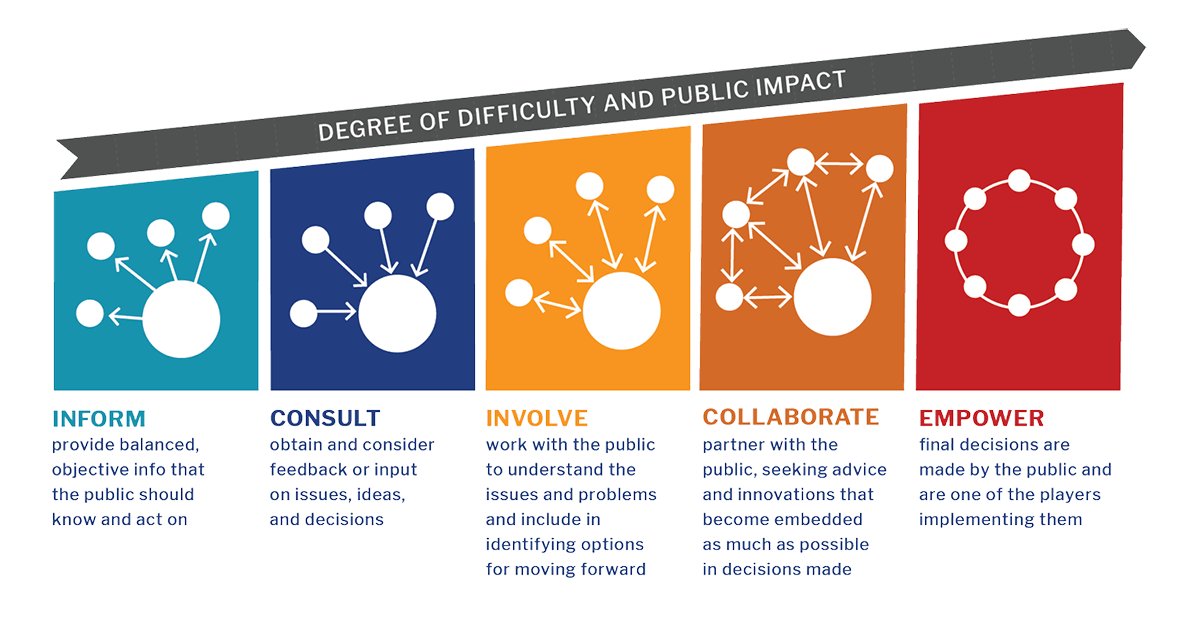
- Meaningful engagement of communities in policy decision-making can be considered on a continuum ranging from informing (providing basic transparency on settlement decisions) to consulting (soliciting feedback), true collaboration, and community empowerment. Various approaches may be appropriate or feasible across grant programs or contexts — consider which environment input is collected from, as some people may not feel comfortable sharing thoughts in public settings.
- In addition to responsibilities for compliance, state administrators are also under heavy pressure to demonstrate that public funding has contributed to meaningful progress and health improvements. Involving CBOs in evaluation plans and incorporating storytelling into reporting can help emphasize the human impact of programs and demonstrate outcomes without a heavy data collection burden.
- It takes time to authentically build trust and integrate processes to support communities. Attention should be given to meeting details and accommodations, thoughtful engagement participating parties, and staff training and support.