
In January 2023, the Centers for Medicare & Medicaid Services (CMS) issued a policy change that allows state Medicaid programs to cover interprofessional consultation services. This means that a practitioner with specialty expertise can receive Medicaid reimbursement for advising a practitioner who is treating a Medicaid-enrolled individual. Prior to this policy change, CMS prohibited states from covering interprofessional consultation as a distinct service, which prevented consulting practitioners from directly receiving payment under Medicaid. Instead, treating practitioners had to establish a separate payment arrangement to compensate consulting practitioners.
CMS’s policy change helps reduce administrative barriers to leveraging Medicaid for interprofessional consultation. Additionally, as a result of this policy change, state Medicaid programs are implementing new payment policies to more seamlessly and sustainably support consultation programs. This policy change has implications for various services that can benefit from consultation, and states are expanding Medicaid coverage of interprofessional consultation services for a broad range of practitioner types.
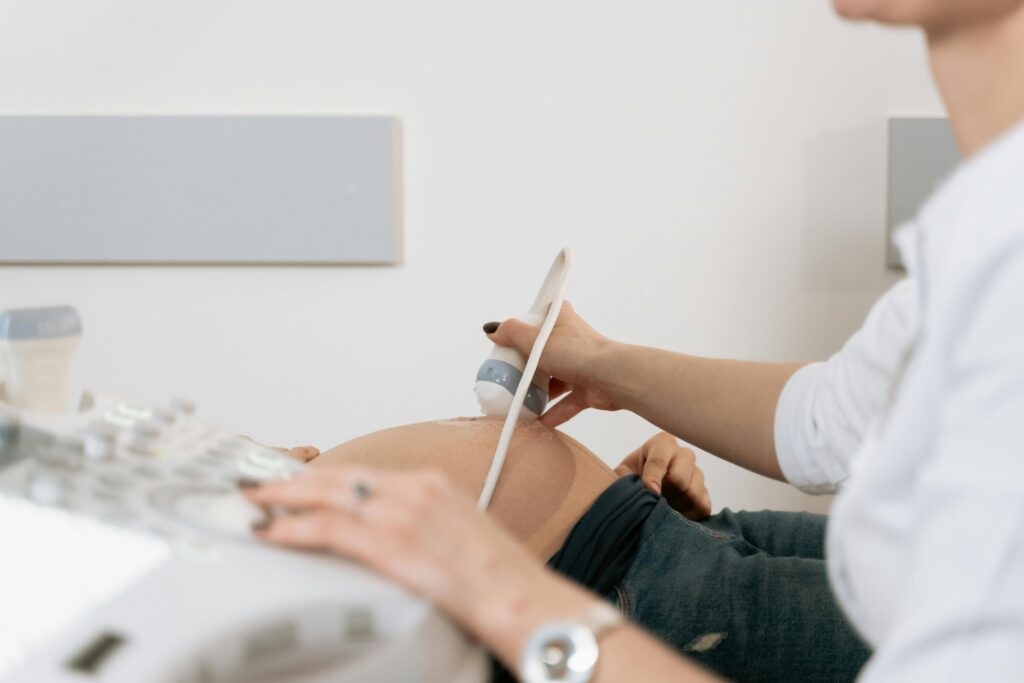
Many states are using behavioral health consultation to address workforce shortages and improve access to behavioral health care for pregnant women and children, among other populations. NASHP conducted a multi-state analysis of Medicaid payment for interprofessional consultation with consideration for the opportunities it provides in strengthening behavioral health consultation services for maternal and child populations. This analysis reviews overall findings regarding state Medicaid interprofessional consultation payment policies and highlights how states have designed their policies to support maternal and child behavioral health.
Throughout this blog post, “consulting practitioner” is used to refer to a practitioner with specialty expertise who is advising a “treating practitioner” who is receiving the advisement to inform their treatment of a Medicaid-enrolled individual.
State Medicaid Payment for Interprofessional Consultation
Based on NASHP’s analysis, overall findings about states’ Medicaid payment policies for interprofessional consultation for all beneficiaries include the following:
- At least 30 states and Washington, D.C., cover interprofessional consultation as a distinct Medicaid service. States vary in which Current Procedural Terminology (CPT) codes they cover for interprofessional consultation. CPT codes differ in the length of the consult, whether or a not a written report is required, and whether the consulting or treating practitioner is billing for the service. States most commonly cover consulting practitioners for consultations that are at least five minutes and include a written report for the treating practitioner. Many states also pay consulting practitioners for consultations between five and 30 minutes and treating practitioners for spending over 30 minutes communicating with a consulting practitioner.
- States allow various types of Medicaid-enrolled practitioners to be paid for interprofessional consultation. The most common treating and/or consulting practitioners include physicians (23 states); nurse practitioners, advanced practice registered nurses, and clinical nurse specialists (14 states); and physician assistants (11 states).
- Medicaid payment rates for interprofessional consultation vary widely across states. The average Medicaid fee-for-service (FFS) rate for consulting practitioners ranges from $14.92 to $53.17 depending on the length of the consult, while the average for treating practitioners is $27.12. See the summary table below for additional information on states’ FFS Medicaid payment rates based on six CPT codes commonly used for interprofessional consultation. Most state Medicaid programs contract with managed care organizations (MCOs) to pay for some or all services, which may include interprofessional consultation. MCOs also have flexibility to set their payment rates; therefore the FFS rates may not apply to all practitioner payments.
Summary of States’ Fee-for-Service (FFS) Medicaid Payment Rates for Interprofessional Telephone/Internet/Electronic Health Record Consultation CPT Codes
| Code | Description | Average FFS Rate | FFS Rate Range |
| 99446 | 5-10 minutes (consulting practitioner) | $14.92 | $11.09-$32.40 |
| 99447 | 11-20 minutes (consulting practitioner) | $28.37 | $21.74-$39.48 |
| 99448 | 21-30 minutes (consulting practitioner) | $42.91 | $32.53-$60.26 |
| 99449 | 31+ minutes (consulting practitioner) | $53.17 | $28.62-$79.78 |
| 99451 | 5+ minute consult and a written report to the treating practitioner (consulting practitioner) |
$29.06 | $19.77-$42.30 |
| 99452 | 30+ minutes (treating practitioner) | $27.12 | $17.00-$54.84 |
Note: This summary table is based on findings from NASHP’s multi-state analysis and may not include rate information from all states that pay for interprofessional consultation.
Maternal and Child Behavioral Health Interprofessional Consultation
In recent years, maternal and child behavioral health needs have reached unprecedented levels. States and health care systems have strained to meet these needs due to workforce shortages, limited infrastructure (e.g., siloed data systems), and financing barriers.
Interprofessional consultation programs offer one approach to maximize the existing workforce by equipping practitioners with guidance from a peer who has specialized expertise, which may include behavioral health competency. The importance of interprofessional consultation as a strategy for addressing workforce shortages is described in CMS’s September 2024 guidance on the Early and Periodic Screening, Diagnostic, and Treatment benefit.
Interprofessional consultation can support behavioral health integration, which has been shown to improve access to care and behavioral health outcomes, including for maternal and child populations. Many states have long-established behavioral health consultation programs, which are often designed to meet the needs of children or pregnant and postpartum women. These programs have often relied on funding sources, separate from Medicaid, such as federal grants (e.g., Health Resources and Services Administration’s Pediatric Mental Health Care Access Program and Screening and Treatment for Maternal Mental Health and Substance Use Disorders Program), state investments, and private foundation funding.
While these programs vary, the most common element is a phone line that practitioners can call to receive support from a specialty care practitioner in identifying behavioral health needs, making referrals to assessment and services as needed, and treating behavioral health conditions, when appropriate. Studies have shown that consultation programs can have a positive impact on behavioral health care quality and access, including increasing practitioners’ ability to meet the behavioral health needs of children and pregnant women, and increasing the likelihood of receiving mental health services.
Of the states that cover interprofessional consultation as a distinct Medicaid service, several states include provisions with relevance for maternal and child behavioral health. These provisions include the following:
- At least 12 states specify types of behavioral health practitioners that can receive Medicaid payment for interprofessional consultation for Medicaid beneficiaries. For example, several states, such as Connecticut, specify that psychiatrists, as a type of physician, are eligible to bill for interprofessional consultation. Additionally, several states, such as Louisiana, also allow Medicaid payment for psychologists and behavioral health clinicians. Some states include other types of behavioral health practitioners, such as advanced practice psychiatric nurses, clinical social workers, marriage/family therapists, professional counselors, and providers such as those at psychiatric hospitals and residential treatment facilities.
- At least seven states include maternal and child health practitioners and/or providers among those that can be paid for interprofessional consultation. For example, eligible treating and/or consulting providers include Child and Adolescent Health Centers (i.e., school-based health centers) in Michigan and Children’s Mental Health Residential Treatment Services (e.g., psychiatric residential treatment facilities and therapeutic group homes) in Virginia. Eligible treating and/or consulting practitioners include midwives/certified nurse-midwives in Nebraska.
- Several states include specific provisions and policies regarding behavioral health for interprofessional consultation. For example, in Utah, consulting practitioners can only be board-certified psychiatrists, while in Illinois, consulting practitioners can only be licensed physicians and advanced practice nurses who have completed a child/adolescent or general psychiatric residency. Additionally, Pennsylvania’s state Medicaid and behavioral health agencies jointly released the state’s interprofessional consultation policy that updates practitioners on coverage and payment for interprofessional consultation.
- Several states are implementing interprofessional consultation payment as part of a broader behavioral health consultation and/or integrated care program. For example, Missouri and Illinois implemented coverage of interprofessional consultation for behavioral health practitioners along with coverage of the Collaborative Care Model and other behavioral health integration services. Additionally, North Carolina’s maternal psychiatric consultation program, which offers a range of consultation services, issued guidance for perinatal care practitioners regarding the potential for payment for receiving consultation services.
Medicaid interprofessional consultation provides an important opportunity to improve access to behavioral health care for all Medicaid beneficiaries, including maternal and child populations, and to enhance integrated physical and behavioral health care. NASHP will continue to track and analyze states’ coverage of interprofessional consultation and strategies to support behavioral health consultation programs as part of our work on behavioral health, including behavioral health workforce, and maternal and child health.
Acknowledgments
Several NASHP staff contributed to this blog post through input, guidance, and draft review, including Karen VanLandeghem and Heather Smith. NASHP wishes to thank the state officials who reviewed information NASHP gathered, as well as officials at the Health Resources and Services Administration for their review.
This resource is supported by the Health Resources and Services Administration (HRSA) of the U.S. Department of Health and Human Services (HHS) under the National Organizations of State and Local Officials as part of a three-year award. The information, content, and conclusions are those of the author(s) and do not necessarily represent the official views of, nor are an endorsement, by HRSA, HHS, or the U.S. government. For more information, please visit www.HRSA.gov.